
BMI Calculator
Calculate your Body Mass Index and get personalized health recommendations based on your age, gender, height, and weight.
Enter Your Details
Your Results
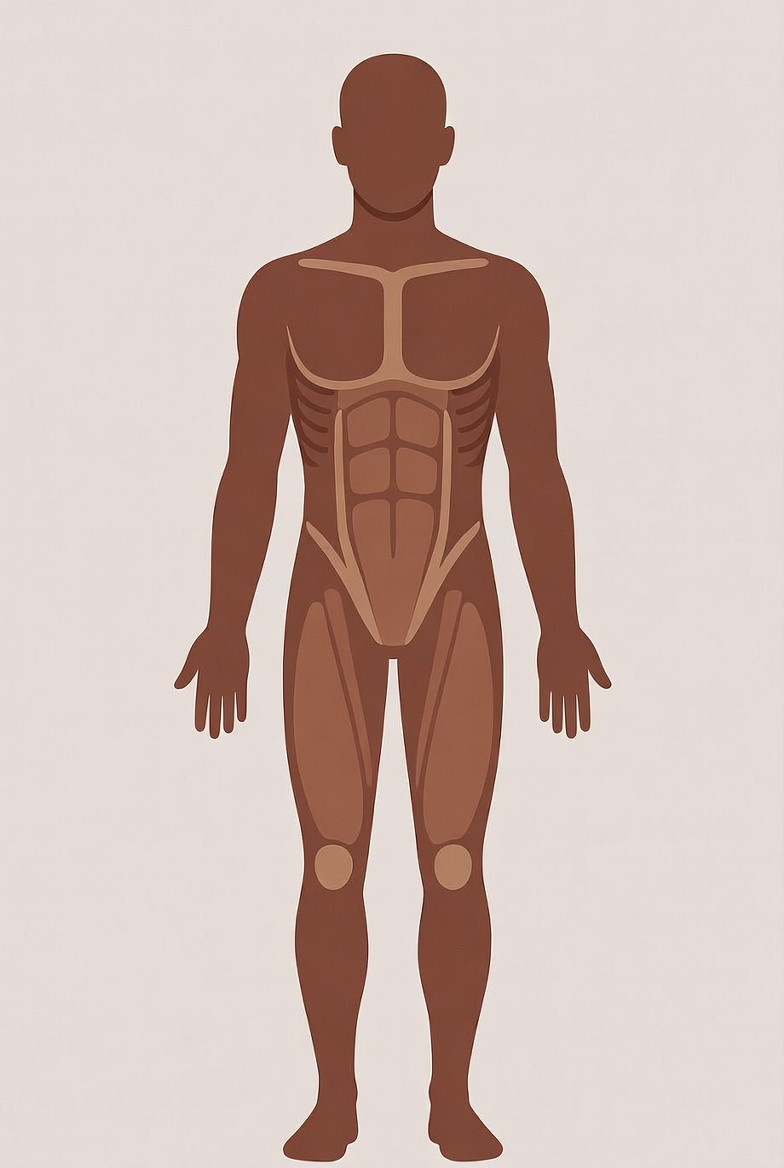

BMI Categories Chart
Understanding Body Mass Index (BMI)
Body Mass Index (BMI) is a widely used screening tool that measures the relationship between your weight and height to estimate body fatness. Developed by Belgian mathematician Adolphe Quetelet in the 1830s, BMI has become the standard method used by healthcare professionals worldwide to identify potential weight-related health issues.
How is BMI Calculated?
BMI is calculated by dividing your weight in kilograms by the square of your height in meters. The formula is: BMI = weight (kg) / height² (m²). For imperial measurements, the formula is: BMI = (weight (lbs) × 703) / height² (inches²).
For example, if you weigh 70 kg and are 1.75 meters tall, your BMI would be: 70 ÷ (1.75 × 1.75) = 70 ÷ 3.0625 = 22.9
BMI Categories Explained
- Underweight (BMI < 18.5): May indicate malnutrition, eating disorders, or other health conditions. Underweight individuals may have weakened immune systems and are at risk for osteoporosis.
- Normal Weight (BMI 18.5 - 24.9): Associated with the lowest health risks. Maintaining a BMI in this range through balanced diet and regular exercise is ideal for most adults.
- Overweight (BMI 25 - 29.9): Indicates excess body weight that may lead to health problems. Increased risk of heart disease, high blood pressure, and type 2 diabetes.
- Obese (BMI ≥ 30): Significantly increases risk of serious health conditions including cardiovascular disease, certain cancers, and reduced life expectancy.
Limitations of BMI
While BMI is a useful screening tool, it has limitations. It doesn't distinguish between muscle and fat mass, meaning athletes with high muscle mass may have a high BMI despite being healthy. BMI also doesn't account for fat distribution, which is important because abdominal fat carries higher health risks than fat in other areas.
Additional Measurements to Consider
For a more complete picture of health, consider combining BMI with other measurements:
- Waist Circumference: Measures abdominal fat, a key indicator of metabolic health
- Waist-to-Hip Ratio: Helps assess fat distribution and associated health risks
- Body Fat Percentage: More accurately measures actual body composition
- Waist-to-Height Ratio: Simple indicator of central obesity
Taking Action Based on Your BMI
Regardless of your BMI result, maintaining a healthy lifestyle is essential. This includes regular physical activity (at least 150 minutes per week of moderate exercise), a balanced diet rich in fruits, vegetables, whole grains, and lean proteins, adequate hydration, and sufficient sleep. If your BMI falls outside the normal range, consult with a healthcare provider for personalized advice and support.
Have Questions About Our Tools?
Our support team is here to help clarify any questions about our Tools or policies.